Special Collections
(760) 750-4312
archives@csusm.edu
Hours: by appointment
About the Cross-Cultural Center
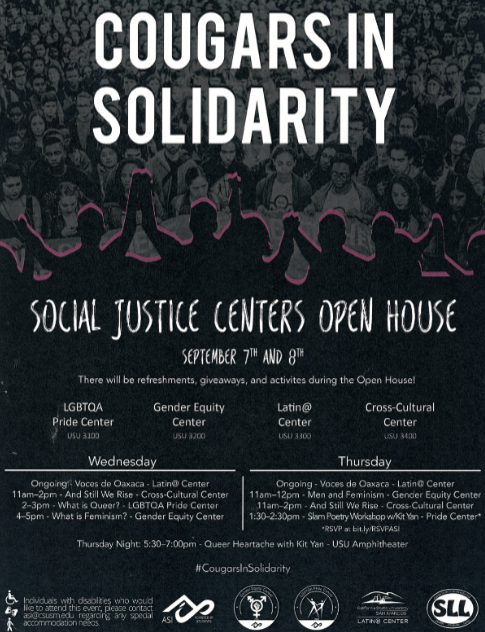
The Cross-Cultural Center (CCC) is the longest running social justice center at CSUSM. Originally created as the Multicultural Center within the division of Student & Residential life, the Center changed its name to the Cross-Cultural Center or "C3" upon moving to a new location in the Administrative Building, room 3400. Today, the CCC provides intentional learning experiences that educate and support students throughout the stages of their identity development to engage students in the process of social justice action and change.
About the Cross-Cultural Center Records
The Cross-Cultural Center records consist of eleven boxes of records and oversized materials related to the operations of the Center. Records date from the very early days of the Center, starting in 2003, and run until April of 2020.
Records related to the CCC include reports, handouts, programming information, meeting notes and agendas, communications, and documents on the establishment of Multicultural Programs, the precursor and parent university unit to the Cross-Cultural Center.
The collection also contains records related to initiatives from campus and beyond important to identity exploration and diversity. Some of these initiatives are ones that the Cross-Cultural Center spearheaded or participated in. Initiatives in the collection include the Trevor Project, All People's Celebration, CSUSM's Peer Mentoring Program, Wheels of Welcome, SafeZone training materials, the Social Justice Symposium, Civility Campaign, Campus Connect, the Cross-Cultural Center mural, and Cesar Chavez Day of Service, among others.
Related Materials
Critical Conversations: An Oral History of the Cross-Cultural Center at California State University San Marcos is a digital exhibition where twelve oral histories narrate the center’s history and its integral role in securing diversity and cross-cultural inclusivity at California State University San Marcos. Accompanying material in the exhibition draws from the Cross-Cultural Center records.